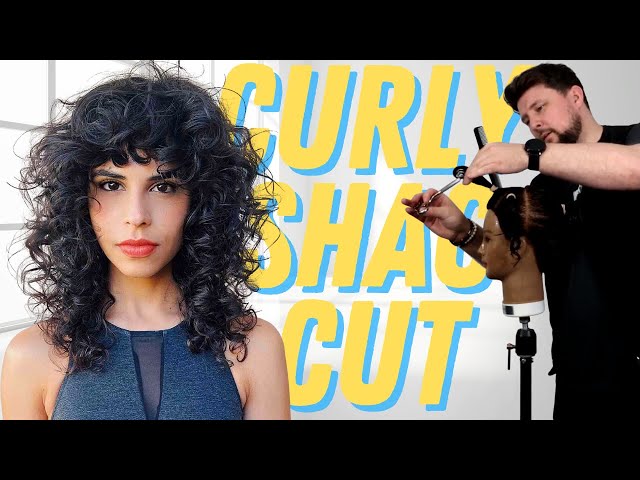
Shaggy curly hair, characterized by its loose, unkempt ringlets, epitomizes a distinct and alluring hair texture. Consider the untamed mane of a golden retriever, a quintessential example of shaggy curls.
In recent years, shaggy curly hair has gained prominence for its effortless chic and versatility. Not only does it frame the face beautifully, but it also adds volume and texture to otherwise flat hairstyles. Moreover, its historical roots can be traced back to the 1970s, when it became a symbol of rebellion and individuality.
In this comprehensive article, we delve into the styling, maintenance, and transformative power of shaggy curly hair.
Shaggy Curly Hair
Shaggy curly hair exudes an effortless, captivating allure that transcends time and trends. Understanding its defining characteristics, styling techniques, and historical significance is key to unlocking its full potential.
- Texture: Loose, unkempt ringlets
- Volume: Adds fullness and body to hair
- Style: Versatile, ranging from carefree curls to polished waves
- History: Rooted in the 1970s, symbolizing rebellion and individuality
The combination of these aspects creates a hairstyle that is both distinctive and universally flattering. Shaggy curly hair can soften angular features, enhance volume, and frame the face with a touch of untamed elegance. Its historical associations with counterculture movements add a layer of depth and intrigue.
Texture
The defining texture of shaggy curly hair lies in its loose, unkempt ringlets, which contribute to its effortlessly cool and voluminous appearance.
- Shape and Definition: Shaggy curly hair features loose ringlets that lack a tightly coiled or uniform shape, creating a natural and relaxed look.
- Volume and Body: The loose, unkempt ringlets add significant volume and body to the hair, giving it a full and bouncy appearance.
- Movement and Flow: The loose ringlets allow for natural movement and flow in the hair, preventing it from appearing stiff or weighed down.
- Styling Versatility: The loose, unkempt texture of shaggy curly hair allows for a wide range of styling options, from carefree, tousled curls to more polished and defined waves.
These textural characteristics combine to create a hairstyle that is both visually striking and highly versatile, making shaggy curly hair a popular choice for those seeking a unique and effortlessly stylish look.
Volume
The volume-enhancing quality of shaggy curly hair is a defining characteristic that sets it apart from other hair textures. The loose, unkempt ringlets create a natural lift at the roots, giving the hair an appearance of fullness and body. This inherent volume is a critical component of shaggy curly hair, as it contributes to its overall aesthetic appeal and versatility.
In contrast to straight or fine hair, which can often appear flat and lifeless, shaggy curly hair's natural volume adds a touch of drama and movement to any hairstyle. The loose ringlets create a sense of fullness, even with minimal styling, making it an ideal choice for those seeking a voluminous and effortless look.
The practical applications of understanding the connection between volume and shaggy curly hair are numerous. For instance, hairstylists can use this knowledge to create customized haircuts and styling techniques that enhance the hair's natural volume. Additionally, individuals with shaggy curly hair can experiment with different products and styling methods to achieve their desired level of volume and fullness.
In summary, the volume-enhancing quality of shaggy curly hair is a key factor in its popularity and versatility. By understanding the cause-and-effect relationship between volume and this unique hair texture, individuals can harness its natural fullness to create a range of stylish and flattering hairstyles.
Style
Shaggy curly hair stands out with its adaptability, allowing for a wide range of styles that cater to diverse tastes and occasions. This versatility stems from the hair's inherent texture and structure, making it suitable for both effortless, carefree curls and more polished, defined waves.
- Undone Glamour: Loose, tousled curls add a touch of effortless chic, perfect for casual outings or laid-back events.
- Beachy Waves: Natural-looking waves mimic the carefree texture of sun-kissed hair, creating a relaxed and beachy vibe.
- Defined Curls: Using styling products and techniques, shaggy curls can be transformed into defined, bouncy ringlets, exuding an air of elegance and sophistication.
- Sleek Waves: With the help of a straightening iron or blow dryer, shaggy curls can be tamed into sleek, polished waves, offering a more formal and polished look.
This versatility makes shaggy curly hair a highly sought-after texture, as it empowers individuals to express their unique styles and adapt to various situations. Whether embracing the natural, undone look or opting for more polished waves, shaggy curly hair offers endless possibilities for self-expression and creativity.
History
The connection between shaggy curly hair and its historical roots in the 1970s is deeply intertwined. During this era of cultural and social upheaval, shaggy curly hair emerged as an expression of rebellion and individuality. The loose, unkempt ringlets defied the prevailing beauty standards of the time, which emphasized sleek, straight hair.
Shaggy curly hair became a symbol of the counterculture movement, embraced by musicians, artists, and nonconformists alike. It represented a break from societal norms and a celebration of personal expression. Notable figures such as Jimi Hendrix, Janis Joplin, and David Bowie sported shaggy curly hair, contributing to its iconic status as a symbol of rebellion and individuality.
Understanding this historical connection provides valuable insights into the cultural significance of shaggy curly hair. It highlights the power of hairstyles to transcend mere aesthetics and become symbols of broader social and cultural movements. Moreover, it underscores the role of shaggy curly hair as a means of personal expression, allowing individuals to embrace their unique identities and challenge societal expectations.
Frequently Asked Questions about Shaggy Curly Hair
This FAQ section addresses commonly asked questions about shaggy curly hair, providing concise and informative answers to clarify its characteristics, care, and styling.
Question 1: What defines shaggy curly hair?
Answer: Shaggy curly hair is characterized by its loose, unkempt ringlets, creating a natural volume and a relaxed, effortless look.
Question 2: How can I enhance the volume of my shaggy curly hair?
Answer: Use volumizing products, such as mousse or root lifter, and avoid weighing the hair down with heavy conditioners or oils.
Question 3: What is the best way to style shaggy curly hair?
Answer: Embrace the natural texture and use minimal styling products. Scrunch in a curl cream or gel for definition and air-dry or diffuse for volume.
Question 4: How often should I wash shaggy curly hair?
Answer: Wash shaggy curly hair less frequently, about 2-3 times per week, to maintain its natural oils and prevent dryness.
Question 5: What are some common mistakes to avoid when caring for shaggy curly hair?
Answer: Avoid over-brushing, using harsh shampoos, and excessive heat styling, which can damage the delicate curls.
Question 6: Can shaggy curly hair be straightened?
Answer: Yes, shaggy curly hair can be straightened using heat tools, but it's important to use heat protectant and avoid over-straightening to prevent damage.
In summary, shaggy curly hair requires specific care and styling techniques to maintain its health and enhance its natural volume and texture. Understanding these key points can help individuals embrace and style their shaggy curly hair with confidence.
In the next section, we'll delve deeper into the styling techniques that can transform shaggy curly hair into a versatile and effortlessly stylish look.
Styling Tips for Shaggy Curly Hair
This section provides detailed, actionable tips to help you embrace and style your shaggy curly hair, enhancing its natural texture and volume.
Tip 1: Embrace Air-Drying: Allow your hair to air-dry naturally after washing to preserve its natural curls and prevent heat damage.
Tip 2: Use a Wide-Toothed Comb: Gently detangle your hair with a wide-toothed comb to avoid breakage and maintain curl definition.
Tip 3: Apply Leave-In Conditioner: Use a leave-in conditioner specifically designed for curly hair to hydrate and nourish your curls, reducing frizz.
Tip 4: Scrunch in Styling Products: Apply a curl cream or gel to damp hair and scrunch upwards to enhance curl definition and volume.
Tip 5: Diffuse for Volume: Use a diffuser attachment on your blow dryer to add volume and definition to your curls while minimizing frizz.
Tip 6: Avoid Over-Brushing: Excessive brushing can disrupt the curl pattern and cause breakage. Brush your hair only when necessary, using a brush designed for curly hair.
Tip 7: Trim Regularly: Regular trims remove split ends and encourage healthy hair growth, maintaining the shape and volume of your shaggy curls.
By following these tips, you can enhance the natural beauty of your shaggy curly hair, keeping it healthy, voluminous, and effortlessly stylish.
In the final section, we'll explore the benefits of embracing shaggy curly hair and how to incorporate it into your personal style.
Conclusion
Our exploration of shaggy curly hair reveals its unique characteristics, styling versatility, and historical significance. Its loose, unkempt ringlets add volume and texture to any hairstyle, while its adaptability allows for a range of styles from carefree curls to polished waves. The historical connection to the 1970s counterculture movement adds a layer of rebellion and individuality to this distinct hair texture.
Embracing shaggy curly hair not only enhances your personal style but also makes a statement about your individuality. It challenges societal beauty standards and celebrates the beauty of natural texture. By understanding its unique qualities and embracing the right care and styling techniques, you can unlock the full potential of your shaggy curly hair.


No comments:
Post a Comment